





Low-Carb Comfort Food You’ll Actually Crave
High-protein snacks, shakes & meals for keto, bariatric, and GLP-1 journeys — hand-picked by Dr. Blissenbach, MD.
Shop Low-Carb Foods Browse Snacks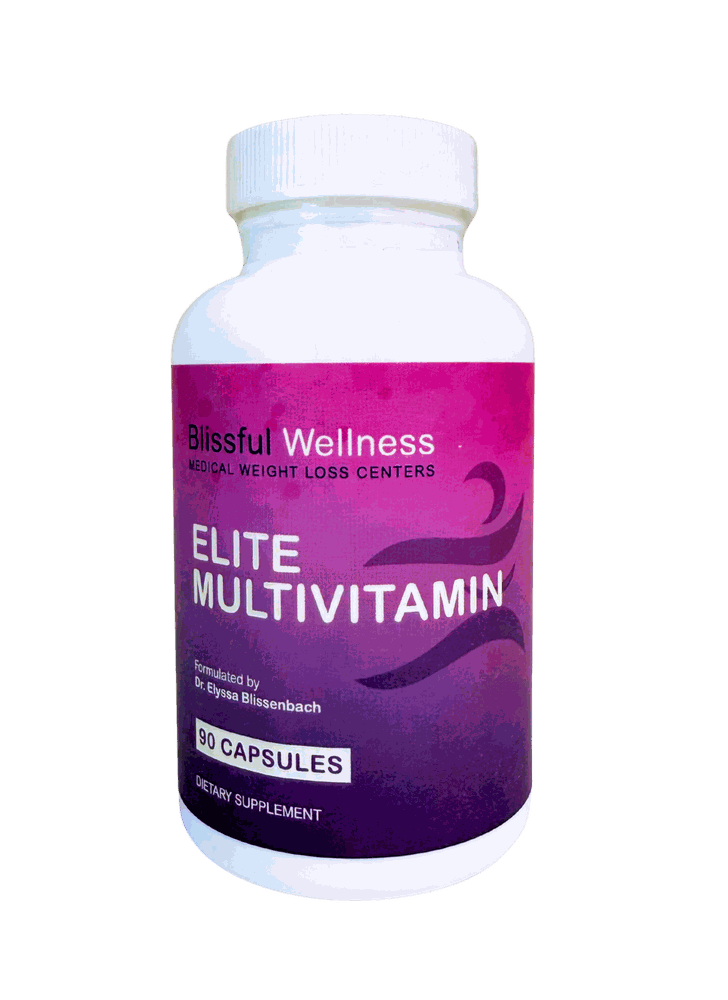
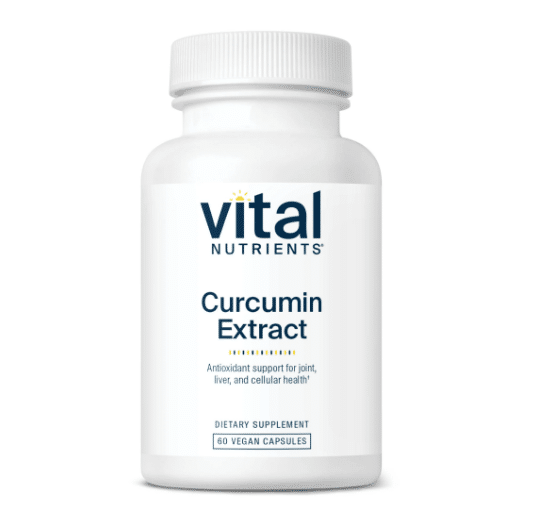

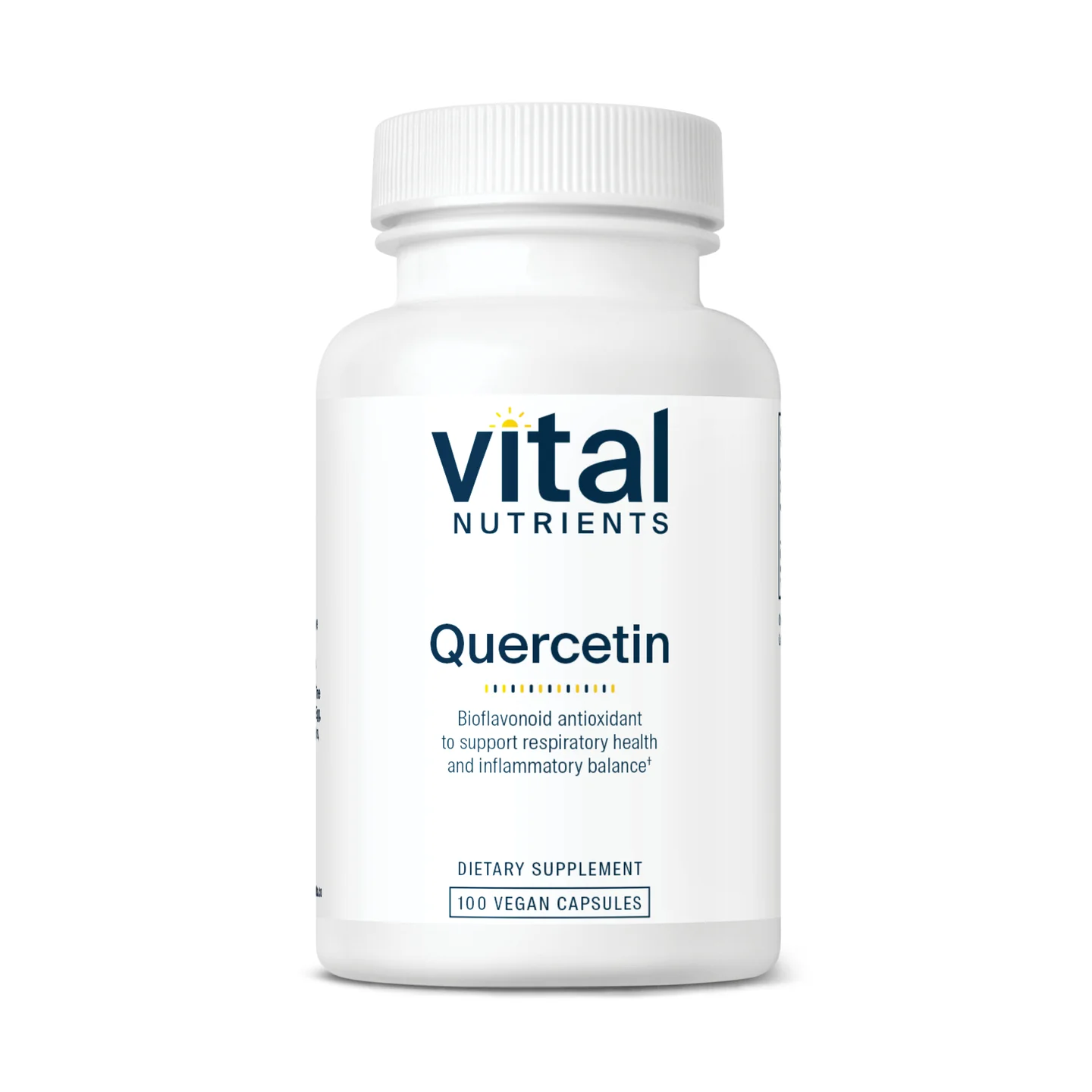


Physician-Grade Supplements, Shipped to You
Practitioner brands for immune, gut & everyday wellness — the same quality Dr. Blissenbach recommends in her own practice.
Shop Supplements Browse All Vitamins


Medical-Grade Skincare, Delivered
Professional IMAGE Skincare lines curated by Dr. Blissenbach — build a simple regimen that works at home.
Shop IMAGE Skincare See the Regimen Guide





Our Long-Distance Medically Supervised Weight Loss Program
Real physician oversight from anywhere — virtual visits and a personalized plan with Dr. Blissenbach through our sister practice, GetSkinnyJax.
Learn More Shop GLP-1 Nutrition SupportThe Online Low Carb Grocery Store, Curated by a Physician
300+ snacks, shakes, meals & supplements — free shipping on orders over $79
Low Carb Cabana sells healthy, low carbohydrate, and low calorie foods online. From low carb pasta, to nutritious snacks and protein bars, to protein drinks, meal replacement shakes, and vitamins, we’ve got everything you need to build the body of your dreams. Owned and operated by Dr. Elyssa Blissenbach, a board-certified internist with over two decades of experience in internal medicine, Low Carb Cabana is your low carb grocery store online catering to the needs of millions of Americans who are serious about eating healthy. Our low carb store delivers the best low carb products right to your front door.
New Arrivals
-
Low Carb Food
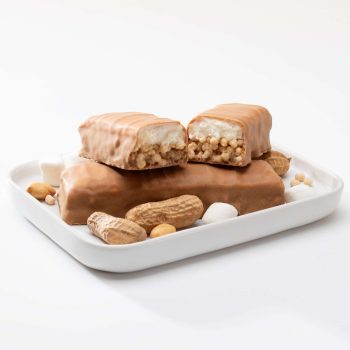
Peanut Puff Marshmallow Protein Bar
$15.49 — or Original price was: $15.49.$13.94Current price is: $13.94. / month Add to cart -
Low Carb Food
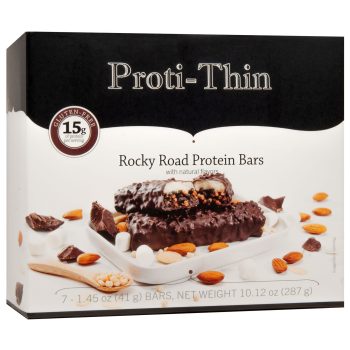
Proti Rocky Road Bar
$15.49 — or Original price was: $15.49.$13.94Current price is: $13.94. / month Add to cart -
Chips & Crunchy Snacks
Robard Tasty Bites – Pizza flavor
$2.75 — or Original price was: $2.75.$2.48Current price is: $2.48. / month Add to cart -
Kay's Natural Snacks
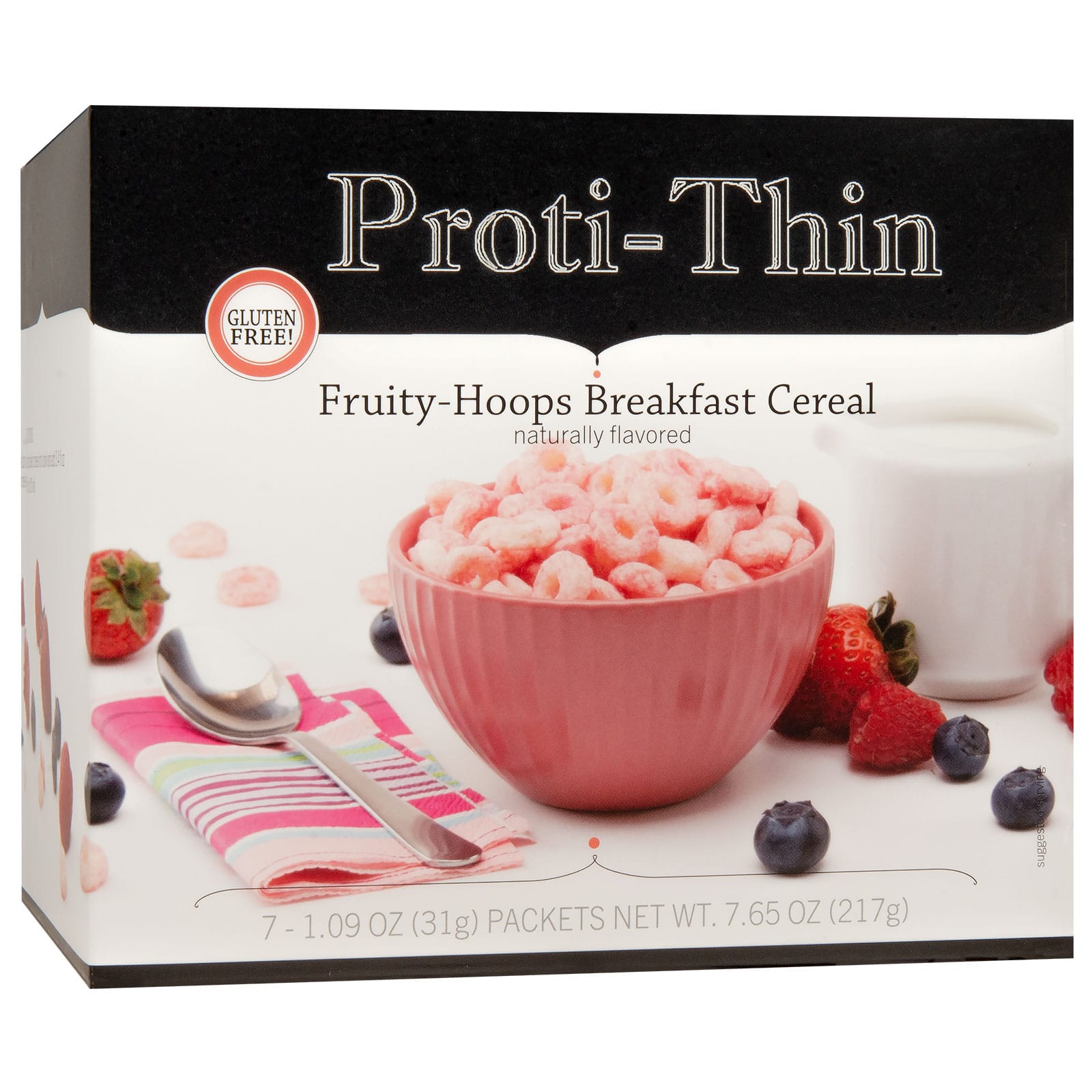
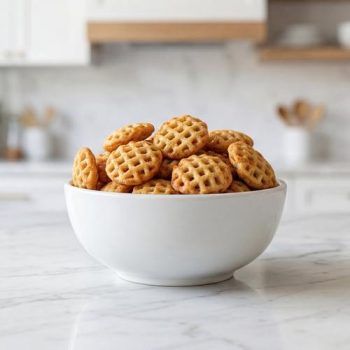
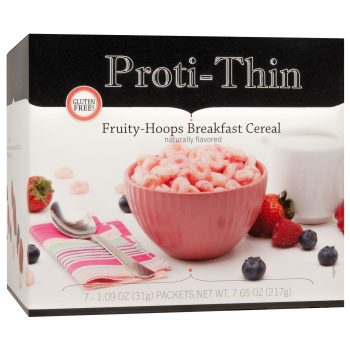
Proti Fruity Hoops Cereal
$15.49 — or Original price was: $15.49.$13.94Current price is: $13.94. / month Add to cart -
Kay's Natural Snacks
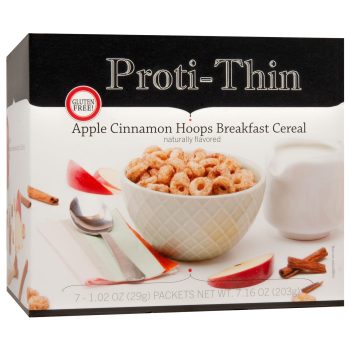
Proti Apple Cinnamon Cereal
$15.49 — or Original price was: $15.49.$13.94Current price is: $13.94. / month Add to cart -
Kay's Natural Snacks
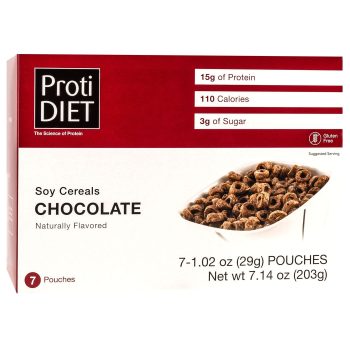
Proti Chocolate Cereal
$15.49 — or Original price was: $15.49.$13.94Current price is: $13.94. / month Add to cart -
Chips & Crunchy Snacks
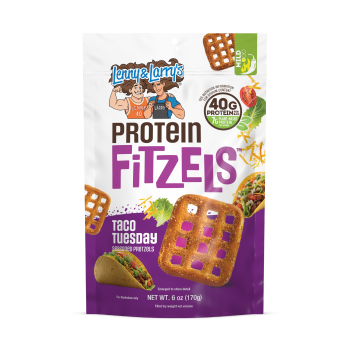
Fitzels Pretzels Taco Tuesday
$4.25 — or Original price was: $4.25.$3.83Current price is: $3.83. / month Add to cart -
Chips & Crunchy Snacks
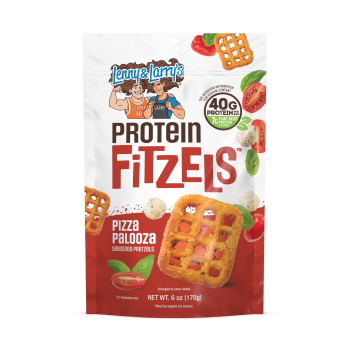
Fitzels Pretzels Pizza Palooza
$4.25 — or Original price was: $4.25.$3.83Current price is: $3.83. / month Add to cart
Shop by Plan
Find the right foods for your goal — curated by Dr. Elyssa Blissenbach, MD.
Shop Low Carb Foods Online – Protein Bars, Snacks & More
-
Lyme Disease Supplements58 Products
-

Vitamins & Supplements102 Products
-

Protein Bars17 Products
-

Low Carb Snacks43 Products
-

Low Carb Breakfast5 Products
-

High Protein Fruit Drinks12 Products
-

Oatmeal1 Product
-

Chips & Crunchy Snacks15 Products
-

Low Carb Drinks14 Products
-
Meal Replacement Shakes2 Products
-

Gelatin & Pudding5 Products
-

Soups4 Products
-

Proti Wafers5 Products
-

Image Skincare82 Products
From the Blog



How Many Carbs Per Day Should You Eat to Lose Weight?
Key Takeaways Most people lose weight steadily at 50–100g of net carbs per day; strict keto requires 20–30g. Count net carbs (total − fiber − erythritol/stevia), not total carbs. Start at 75–100g and tighten based on results — going too strict on day one is the fastest way to quit. Protein and carb quality matter […]
Frequently Asked Questions About Low Carb & Keto Products
What’s the difference between total carbs and net carbs?
Total carbs include all carbohydrates in a food, while net carbs are calculated by subtracting fiber and sugar alcohols from total carbs. Net carbs are what actually impact your blood sugar and ketosis. For example, if a protein bar has 15g total carbs, 8g fiber, and 3g sugar alcohols, the net carbs would be 4g (15 – 8 – 3 = 4). When following a ketogenic or low carb diet, focus on net carbs as they represent the carbohydrates your body actually digests and uses for energy.
Are low carb protein bars actually good for weight loss?
Yes, when used correctly. Low carb protein bars can support weight loss because they’re high in protein (which increases satiety and preserves muscle mass), low in net carbs (which helps control insulin and promote fat burning), and portion-controlled (preventing overeating). The key is choosing bars with at least 15-20g protein, under 5g net carbs, and minimal artificial ingredients. Use them as meal replacements, post-workout recovery, or to replace high-carb snacks – not as unlimited “diet food.” Quality matters: look for bars sweetened with erythritol or stevia rather than maltitol, which can spike blood sugar.
Can diabetics drink low carb protein shakes?
Yes, low carb protein shakes can be an excellent option for diabetics. They provide high-quality protein with minimal impact on blood sugar levels, making them much safer than traditional high-carb shakes or meals. The high protein content helps stabilize blood sugar, increases satiety, and supports healthy weight management – all crucial for diabetes management. However, diabetics should: (1) choose shakes with under 5g net carbs per serving, (2) avoid maltitol and other sugar alcohols that can affect blood sugar, (3) monitor their blood glucose response when trying new products, and (4) consult their healthcare provider about incorporating protein shakes into their meal plan. Our low carb protein shakes are specifically formulated with diabetic-friendly ingredients.
How many carbs per day to stay in ketosis?
Most people need to consume 20-50 grams of net carbs per day to achieve and maintain ketosis. The sweet spot for most is 20-30g net carbs daily, especially when starting. Factors affecting your carb threshold include activity level (athletes can handle more), metabolic health, age, and how long you’ve been in ketosis (fat-adapted people have more flexibility). To stay in ketosis: track net carbs religiously for the first month, prioritize protein (0.8-1g per pound of lean body mass), fill remaining calories with healthy fats, and use ketone testing strips initially to confirm you’re in ketosis. Our low carb products are designed to fit easily into a 20-30g daily carb budget.
Do low carb protein shakes taste good or chalky?
This depends entirely on the brand and formulation. Quality low carb protein shakes taste creamy and delicious – not chalky at all. The “chalky” reputation comes from older, poorly formulated products. Modern low carb shakes use better protein sources (whey protein isolate, micellar casein), natural flavorings, and improved mixing technology. To ensure great taste: look for shakes with 15+ grams of protein from quality sources, avoid products with excessive maltodextrin or fillers, blend with unsweetened almond milk instead of water for creaminess, and try variety packs first to find your favorite flavors. Our protein shakes are specifically formulated for smooth texture and authentic flavor – many customers say they taste like dessert!
What should I look for when buying low carb protein bars?
Focus on these key criteria: Protein content: At least 15-20g per bar. Net carbs: Under 5g for strict keto, under 10g for general low carb. Sweeteners: Choose erythritol, stevia, or monk fruit; avoid maltitol which can spike blood sugar. Protein source: Whey protein isolate, collagen, or egg white protein are best. Fiber: 5-10g per bar supports digestion and keeps net carbs low. Ingredients: Shorter lists with recognizable foods. Sugar alcohols: Some people experience digestive issues – start with small amounts. Red flags: “chocolate coating” (often high in sugar alcohols), “natural flavors” listed first, or bars that seem too good to be true nutritionally.
Can I use protein shakes as meal replacements for weight loss?
Yes, protein shakes can effectively replace 1-2 meals per day for weight loss, but they should be complete meal replacement formulas – not just protein powder. A proper meal replacement shake should provide: 20-30g protein, essential vitamins and minerals, healthy fats (or you should add them), 3-5g net carbs or less, and 200-400 calories depending on your goals. Replace breakfast or lunch (not dinner – whole food is better for evening satiety), always replace the same meal for consistency, add healthy fats like MCT oil or nut butter if needed, ensure you’re eating at least one whole-food meal daily, and use this approach temporarily (3-6 months max). Our meal replacement shakes are nutritionally complete and designed specifically for this purpose.
Are sugar alcohols safe and do they affect ketosis?
Most sugar alcohols are safe and don’t significantly affect ketosis, but there are important differences. Erythritol: Best choice – zero glycemic impact, minimal digestive issues, doesn’t affect ketosis. Stevia/Monk Fruit: Not sugar alcohols but excellent keto sweeteners with zero impact. Xylitol: Small glycemic impact (13), generally safe in moderation. Maltitol: Avoid – glycemic index of 35, can spike blood sugar and kick you out of ketosis. Safety concerns: some people experience digestive discomfort (gas, bloating) from sugar alcohols, especially in large amounts. Start with small servings, erythritol is usually best tolerated, and if you experience issues, try different products or sweeteners. Net carb calculation: most sugar alcohols except maltitol can be subtracted from total carbs.
How much protein should I eat on a low carb diet?
Aim for 0.8-1.2 grams of protein per pound of lean body mass (or ideal body weight if significantly overweight). For most people, this means: Sedentary: 0.8g per lb (about 100-120g daily for average person). Moderately active: 1.0g per lb (120-150g daily). Very active/strength training: 1.2g+ per lb (150-180g+ daily). Protein is crucial on low carb because it: preserves muscle mass during weight loss, increases satiety and reduces hunger, has a higher thermic effect (burns more calories to digest), and supports stable blood sugar. Don’t fear “too much protein kicking you out of ketosis” – this is largely a myth. Most people undereat protein, not overeat it. Prioritize protein at every meal and snack.
What’s the best time to drink a protein shake – morning or night?
Both times offer benefits – choose based on your goals: Morning (best for weight loss & energy): Kickstarts metabolism, reduces breakfast cravings, provides sustained energy, perfect as meal replacement, helps hit daily protein targets early. Post-workout (best for muscle recovery): Within 30-60 minutes after exercise, supports muscle repair and growth, replenishes energy. Night/before bed (best for muscle preservation): Slow-digesting protein (casein) feeds muscles overnight, reduces morning hunger, may improve sleep quality, prevents muscle breakdown during fasting. Between meals (best for appetite control): Reduces snacking, maintains steady energy, easy protein boost. Bottom line: the “best” time is whenever you’re most likely to actually drink it consistently. Many people do best with morning shakes for weight loss or post-workout for fitness goals.