
So you’ve decided to try a low carb diet. Great choice! Whether you’re looking to lose weight, improve your blood sugar, or just feel better, cutting carbs is one of the most effective ways to transform your health.
But where do you start? What do you eat? How do you avoid common mistakes?
This guide will walk you through exactly how to start a low carb diet in 2026—step by step, week by week—so you can see results fast and stick with it for the long haul.
What Is a Low Carb Diet?
A low carb diet means eating fewer carbohydrates than the standard American diet recommends. Instead of 200-300 grams of carbs per day, you’ll aim for 50-100 grams of net carbs.
The focus shifts from bread, pasta, and sugar to:
- Protein: Meat, fish, eggs
- Healthy fats: Avocado, nuts, olive oil, cheese
- Non-starchy vegetables: Leafy greens, broccoli, cauliflower, peppers
By reducing carbs, you lower insulin levels, which helps your body burn fat for energy instead of storing it. The result? Weight loss, better energy, and improved metabolic health.
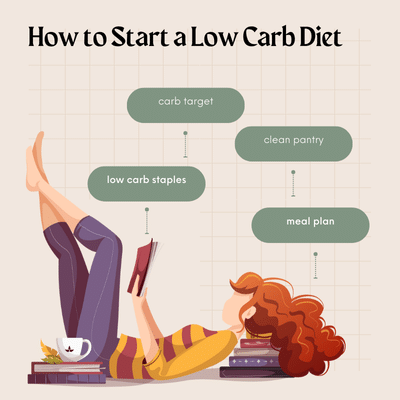
Step 1: Calculate Your Carb Target
Not everyone needs the same amount of carbs. Your ideal daily intake depends on your goals:
- Moderate low carb (75-100g net carbs): Good for beginners, sustainable long-term
- Strict low carb (50-75g net carbs): Faster weight loss, better for insulin resistance
- Keto (20-50g net carbs): Maximum fat burning, appetite suppression, and metabolic benefits
Start at 75-100g net carbs if you’re new to low carb. You can always reduce later if you want faster results.
What Are “Net Carbs”?
Net carbs = Total carbs – Fiber – Sugar alcohols
Example: A protein bar has 20g total carbs, 10g fiber, and 5g sugar alcohols. Net carbs = 20 – 10 – 5 = 5g.
Net carbs are what actually impact your blood sugar and weight loss. Focus on those, not total carbs.
Step 2: Clean Out Your Pantry
Before you start, remove temptation. Get rid of (or donate):
- Bread, pasta, rice, cereal
- Chips, crackers, pretzels
- Cookies, candy, ice cream
- Sugary drinks (soda, juice, sweetened coffee)
- High-carb condiments (ketchup, BBQ sauce, honey mustard)
If it’s not in your house, you won’t eat it.
Step 3: Stock Up on Low Carb Staples
Fill your kitchen with foods that make low carb easy:
Proteins:
- Chicken, beef, pork, turkey
- Salmon, tuna, shrimp
- Eggs (buy lots!)
- Greek yogurt (unsweetened, full-fat)
Healthy Fats:
- Avocados
- Olive oil, coconut oil, butter
- Nuts and nut butters (almonds, walnuts, macadamias)
- Cheese (cheddar, mozzarella, cream cheese)
Non-Starchy Vegetables:
- Spinach, kale, lettuce
- Broccoli, cauliflower, zucchini
- Peppers, cucumbers, tomatoes
- Asparagus, green beans, Brussels sprouts
Low Carb Products:
- Protein bars for convenient snacks
- Protein shakes and drinks for meal replacements
- Low carb pasta for guilt-free comfort food
- Keto-friendly snacks (chips, cookies, pudding)
At Low Carb Cabana, we make it easy with over 300 products carefully selected by Dr. Elyssa Blissenbach, a board-certified internist with 20+ years of experience.
Step 4: Plan Your First Week
Don’t wing it—meal planning is the key to success. Here’s a simple 7-day plan to get you started:
Day 1-7 Sample Menu:
Breakfast:
- Scrambled eggs with cheese and spinach
- Or: Protein shake with unsweetened almond milk
Lunch:
- Grilled chicken salad with olive oil dressing
- Or: Tuna salad lettuce wraps
Snack:
- Low carb protein bar
- Or: Handful of almonds and string cheese
Dinner:
- Salmon with roasted broccoli and butter
- Or: Bunless burger with avocado and side salad
- Or: Low carb pasta with marinara and ground turkey
Dessert (optional):
- Sugar-free Jell-O or low carb pudding
Pro Tip: Meal Prep on Sundays
Cook 3-4 pounds of chicken, hard-boil a dozen eggs, chop veggies, and portion out snacks. This saves time and keeps you on track when life gets busy.
Step 5: Track Your Macros (At Least for the First Month)
Use a free app like MyFitnessPal or Carb Manager to track:
- Net carbs: Stay under 75-100g (or your target)
- Protein: Aim for 0.8-1g per pound of body weight
- Fat: Fill the rest of your calories with healthy fats
Tracking is tedious, but it’s the fastest way to learn what foods fit your plan. After a month, you’ll know portions by heart.
Step 6: Stay Hydrated and Replenish Electrolytes
When you cut carbs, your body sheds water and electrolytes. This can cause:
- Headaches
- Fatigue
- Muscle cramps
- Brain fog
To avoid this, drink at least 8-10 glasses of water daily and supplement with:
- Sodium: Add salt to your food or drink bone broth
- Potassium: Eat avocados, spinach, salmon
- Magnesium: Take a supplement or eat nuts and dark leafy greens
Check out our vitamin and supplement selection for electrolyte support.
Step 7: Handle Cravings and Social Situations
When You’re Craving Carbs:
- Drink water first—sometimes you’re just thirsty
- Eat protein and fat to feel full (cheese, nuts, hard-boiled eggs)
- Have a low carb protein bar that tastes like dessert
- Wait 15 minutes—cravings usually pass
Eating Out:
- Order bunless burgers or lettuce-wrapped sandwiches
- Substitute fries for a side salad or steamed veggies
- Choose grilled proteins with non-starchy sides
- Ask for dressings and sauces on the side
At Social Events:
- Eat before you go so you’re not starving
- Bring a low carb dish to share
- Focus on meat, cheese, and veggie platters
- Politely decline bread and dessert—no explanation needed
Common Beginner Mistakes (And How to Avoid Them)
Mistake 1: Not Eating Enough Protein
Fix: Prioritize protein at every meal. It preserves muscle, keeps you full, and supports fat loss.
Mistake 2: Eating Too Much Fat (Without Reducing Carbs)
Fix: Fat is important, but carbs must be low first. Don’t add extra fat until carbs are under control.
Mistake 3: Forgetting About Fiber
Fix: Load up on non-starchy veggies. Aim for 25-30g of fiber daily to stay regular and feel full.
Mistake 4: Giving Up After a “Cheat”
Fix: One high-carb meal doesn’t ruin everything. Just get back on track with your next meal.
Mistake 5: Not Planning for Convenience
Fix: Stock up on grab-and-go protein bars, ready-to-drink shakes, and portable snacks.
What to Expect: Your First 4 Weeks
Week 1: Transition Phase
- You might feel tired, foggy, or irritable (this is temporary)
- Water weight drops fast (5-10 lbs is common)
- Cravings are strong but will fade
Week 2: Adjustment
- Energy stabilizes as your body adapts
- Cravings decrease significantly
- Fat loss becomes more noticeable
Week 3: Momentum
- You’re in a rhythm—meal prep feels natural
- Weight loss continues (1-2 lbs/week)
- Clothes fit better, energy is strong
Week 4: Habit Formation
- Low carb feels like “normal” eating
- You’re seeing real results (10-15+ lbs down)
- Confidence builds—you know this works
Do You Need Supplements?
Not required, but helpful:
- Electrolytes: Prevent fatigue and cramps
- Magnesium: Improves sleep and muscle function
- Omega-3: Supports heart and brain health
- Vitamin D: Boosts immunity and mood
Browse our full supplement selection to find what you need.
Ready to Take It to the Next Level?
If you want faster results and medical support, consider Dr. Blissenbach’s medically supervised weight loss program. You’ll get personalized nutrition plans, prescription medications (if appropriate), and ongoing accountability.
The Bottom Line
Starting a low carb diet doesn’t have to be complicated. Here’s your action plan:
- Set your carb target (start with 75-100g net carbs)
- Clean out your pantry and stock up on low carb foods
- Plan and prep your first week of meals
- Track your macros for at least a month
- Stay hydrated and supplement electrolytes
- Be patient—results come fast, but consistency is key
With the right foods, the right mindset, and the right low carb products, you’ll be amazed at how quickly your body transforms.
Ready to get started? Shop our full selection of low carb foods and snacks and make 2026 your healthiest year yet.